

Medical & Food Grade Rubber Certification: FDA, USP Class VI & ISO 10993 Guide
2026/08/27
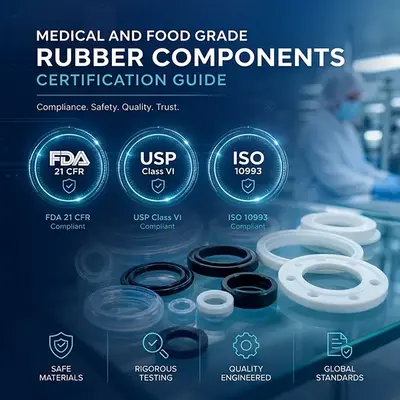
In the development of medical devices, biomedical equipment, pharmaceutical engineering, and food processing machinery, custom rubber parts play a mission-critical role in fluid transfer and sealing. However, unlike general industrial elastomers, rubber components used in these regulated sectors must undergo stringent biocompatibility and toxicological evaluations to ensure no harmful substances migrate into human tissue or food products.
Navigating global compliance standards often presents challenges for procurement managers and mechanical engineers attempting to differentiate between FDA 21 CFR 177.2600, USP Class VI, and ISO 10993. As a professional rubber manufacturer, we provide an in-depth technical analysis of these three core certification standards to help streamline your project's regulatory approval process.

1. Food Grade Standard: FDA 21 CFR 177.2600 (Rubber Articles)
The U.S. Food and Drug Administration (FDA) regulation 21 CFR 177.2600 is the most widely adopted baseline for Food Contact Materials (FCM) made of rubber. This regulation specifically governs "rubber articles intended for repeated use" in contact with food.
- Positive Ingredient List: Every chemical ingredient in the elastomeric formulation—including base polymers, vulcanizing agents, accelerators, fillers, and antioxidants—must strictly conform to FDA-authorized substances.
- Extraction Testing: Finished rubber components must undergo rigorous n-hexane and distilled water extraction tests to verify that total extractable matters remain below statutory limits when contacting fatty or aqueous foods.
- Typical Applications: Food-grade silicone gaskets, beverage filling machine seals, dairy transfer tubing, and commercial food equipment stoppers.
2. Pharmaceutical & Medical Standard: USP Class VI
The United States Pharmacopeia (USP) classifies plastics and elastomers into six classes (Class I through Class VI) based on biocompatibility requirements. USP Class VI is the most stringent and widely recognized certification level, making it essential for pharmaceutical processing and short-term human contact medical devices.
- Core In Vivo Toxicity Testing:
- Systemic Injection Test: Evaluates systemic toxic responses after extract liquids are injected intravenously or intraperitoneally into test models.
- Intracutaneous Test: Assesses localized tissue irritation and inflammatory reactions caused by material extracts.
- Muscle Implantation Test: Evaluates direct biological tissue reaction by implanting rubber samples directly into living muscle tissue.
- Key Advantage: Demonstrates high biological inertness and guarantees that no leachable compounds will trigger cytotoxic or immune responses.
- Typical Applications: Biopharmaceutical fluid lines, peristaltic pump silicone tubing, plunger seals, and biotech laboratory rubber fittings.
3. International Medical Device Standard: ISO 10993
ISO 10993 represents the international gold standard for biological evaluation of medical devices, comprising over 20 distinct sub-parts. If your custom rubber parts serve as components within a medical device (such as implants, respiratory contact parts, or minimally invasive surgical tools), ISO 10993 compliance is mandatory worldwide.
- ISO 10993-5 (Tests for In Vitro Cytotoxicity): Evaluates whether rubber extractables induce cell damage or lysis; serves as the primary gateway test for medical-grade parts.
- ISO 10993-10 (Tests for Irritation and Skin Sensitization): Tests potential allergic reactions or cutaneous irritation during prolonged contact with human skin or mucous membranes.
- ISO 10993-11 (Tests for Systemic Toxicity): Evaluates systemic risk profiles for parts in prolonged body contact or systemic blood exposure.
FDA vs. USP Class VI vs. ISO 10993 Quick Comparison
| Certification Standard | Primary Industry Focus | Testing Emphasis | Common Elastomer Materials |
|---|---|---|---|
| FDA 21 CFR 177.2600 | Food processing, beverage dispensers, catering equipment | Positive chemical list, extraction limit tests (n-Hexane/Water) | Silicone, EPDM, NBR, FKM |
| USP Class VI | Pharmaceutical equipment, bioprocess fluids, medical packaging | In vivo systemic toxicity, intracutaneous reactivity, muscle implantation | Medical Grade Silicone, EPDM, FKM |
| ISO 10993 | Medical device components, surgical tools, body-contacting devices | In vitro cytotoxicity, sensitization, systemic toxicity, hemocompatibility | LSR (Liquid Silicone), High-Purity Silicone |
3 Essential Pillars for High-Compliance Rubber Manufacturing
Successfully mass-producing high-grade rubber parts that pass regulatory scrutiny requires strict contamination control throughout the entire production lifecycle:
- Plasticizer-Free & High-Purity Formulations: Medical and food-grade elastomers—especially silicone—utilize platinum-cured curing systems to eliminate toxic byproducts or residual odors, while strictly prohibiting phthalate plasticizers (such as DEHP).
- Controlled Cleanroom Manufacturing: Precision medical components are molded, post-cured, washed, and packaged within Class 10,000 (ISO Class 7) or Class 100,000 (ISO Class 8) cleanroom facilities to prevent airborne particulate contamination.
- Full Raw Material Traceability (Lot Control): Maintaining complete lot traceability—from raw polymer Certificates of Analysis (COA) to vulcanization logs—ensures full alignment with ISO 13485 quality management systems.
Looking for FDA or USP Class VI Compliant Rubber Solutions?
Our technical engineering team brings extensive experience in medical and food-grade rubber manufacturing. Contact us today for compound selection guidance, cleanroom production inquiries, or immediate DFM evaluations.
👉 Contact Our Engineering Team for Compliant Material Quotes!
Other News
Rubber-to-Metal Bonding Design Guide: Enhancing Shear Strength and Durability in Custom Seals
2026/09/11
OEM/ODM Customized Rubber Parts Development Process: 6 Steps from 2D/3D Drawings to Mass Production
2026/08/12
Molded vs. Extruded Rubber: Manufacturing Process & Applications Guide
2026/07/23
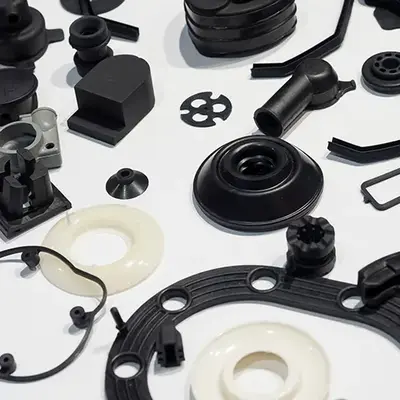
Top 10 Applications of Custom Rubber Parts Across Industries: Enhancing Performance & Durability
2026/07/21
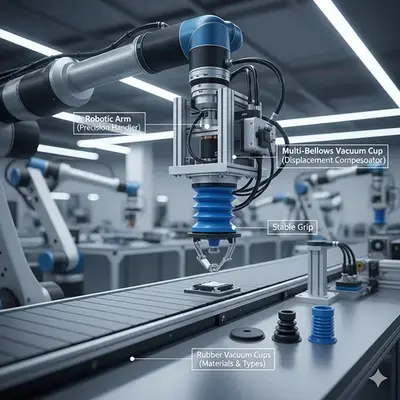
Achieving High-Speed Stable Gripping: How to Select Rubber Vacuum Suction Cups for Stability and Longevity in Robotic Systems
2025/12/03
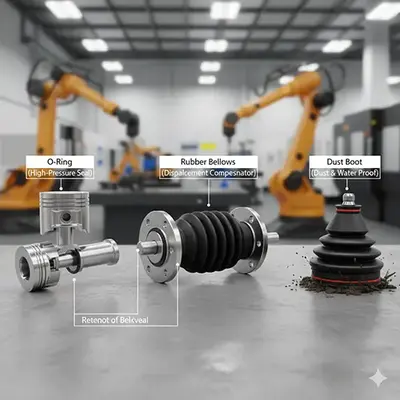
O-Rings, Bellows, Dust Boots: 【One-Minute Guide】Correct Application Scenarios for Rubber Sealing Components
2025/10/20

Rubber Components and Noise Control: Reducing Sound and Vibration Across Industries
2025/07/22

Top 5 Medical Rubber Applications Revealed – The Elastic Technology Behind Modern Healthcare
2025/06/06
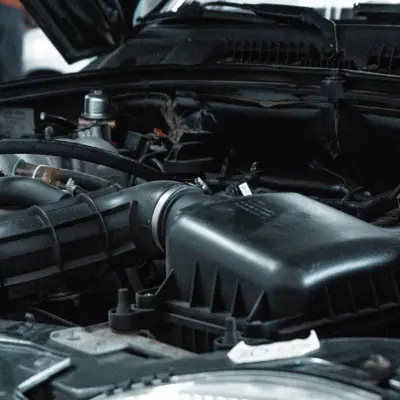
Unsung Heroes of Your Vehicle: The Complete Guide to Rubber Automotive Parts
2025/05/15

A Complete Guide to Industrial Rubber Seals, Gaskets, and Vibration Dampers
2025/03/28

What Makes Rubber Bellows So Essential?
2024/12/20
Types of Rubber Materials Used in Seals and Their Applications
2024/12/13